Invest in a Scalable Model for Community Transformation and Policy Innovation

PARTNER WITH CARD

Building the Future of Community Development and Policy Innovation in Northern Ghana

 A Transformational Vision

The Cooperative Agency for Research and Development (CARD) is establishing two flagship institutions to drive sustainable development, strengthen local capacities, and influence policy at national and global levels:

  • CARD Academy (Chereponi – Headquarters)
    Empowering communities through practical skills, training, and innovation
  • CARD Institute (Tamale – Northern Regional Capital)
    Driving research, consultancy, and evidence-based policy solutions

Together, these institutions form a unique dual ecosystem that connects grassroots action with research and policy influence, ensuring sustainable and scalable development impact.

The Challenge

Communities across Northern Ghana continue to face:

  • Limited access to quality training and skills development opportunities
  • Weak connection between community realities and policy decision-making
  • High youth unemployment and low income opportunities
  • Limited locally-led research, innovation, and consultancy capacity

Without integrated solutions, these challenges persist and limit long-term development outcomes.

Our Solution: A Dual-Institution Model

CARD is implementing an innovative and scalable approach:

🔹 CARD Academy – Community Impact Engine

Located in Chereponi, the Academy will provide:

  • Vocational and entrepreneurship training
  • Climate-resilient agriculture and livelihoods programs
  • Youth and women empowerment initiatives
  • Community leadership and social development training

👉 Outcome: Empowered individuals, improved livelihoods, and resilient communities

🔹 CARD Institute – Knowledge & Policy Engine

Located in Tamale, the Institute will deliver:

  • Applied research and policy analysis
  • Consultancy and advisory services
  • Professional training for NGOs, government, and private sector
  • Knowledge production (publications, policy briefs, toolkits)

👉 Outcome: Evidence-based solutions that influence policy and scale impact

Why Partner with CARD?

  • ✔️ Grassroots Presence: Deeply rooted in underserved communities (HQ in Chereponi)
  • ✔️ Innovative Model: Bridges community action with research and policy
  • ✔️ Scalable Impact: Designed for replication across Ghana and West Africa
  • ✔️ Alignment with Global Goals: Supports SDGs on education, gender equality, livelihoods, and climate resilience
  • ✔️ Proven Experience: Strong track record in community development and partnerships

Investment & Partnership Opportunities

CARD invites partners to support the establishment and operationalization of these institutions through the following investment areas:

🏗️ Infrastructure Development

  • CARD Academy (Chereponi): $280,000
  • CARD Institute (Tamale): $420,000

📚 Programs & Capacity Building: Training, research, staffing, and curriculum development: $180,000

💻 Technology & Innovation: ICT systems, digital learning platforms, and data tools: $120,000

📊 Monitoring, Evaluation & Learning: Impact measurement and reporting systems: $40,000

Ways to Partner

We welcome collaboration through:

  • 🤝 Funding Partnerships – Support infrastructure, programs, or specific initiatives
  • 🎓 Academic & Research Partnerships – Collaborate on research, training, and publications
  • 🏗️ Infrastructure Sponsorship – Co-develop facilities and learning spaces
  • 💻 Technology Partnerships – Support digital learning and innovation systems
  • 🌍 Program Sponsorship – Fund thematic areas such as youth, women, or climate programs

Expected Impact (First 3 Years)

  • 5,000+ youth and women trained in practical and employable skills
  • Increased income and livelihood opportunities for vulnerable populations
  • Strengthened community leadership and social cohesion
  • Research outputs influencing local, regional, and national policies
  • Enhanced capacity of NGOs, government institutions, and development actors

Sustainability Approach

CARD is committed to long-term sustainability through:

  • Professional training and certification programs
  • Consultancy and research services
  • Strategic partnerships and grants
  • Digital learning platforms and global engagement

This ensures that both institutions continue to deliver impact beyond initial investments.

Join Us in Building Lasting Impact

This initiative represents more than infrastructure—it is an investment in people, knowledge, and sustainable development systems.

Partner with CARD to empower communities, generate knowledge, and drive policy change in Northern Ghana and beyond.

Contact Us

Cooperative Agency for Research and Development (CARD)
📍 P.O. Box CP52, Chereponi, North East Region – Ghana
📍 P.O. Box TL902, Tamale, Northern Region – Ghana
🌐 Web: www.cardgh.org
📧 Email: info@cardgh.org
📞 Tel: +233372098766/+233241370925

“Appreciation and Close-Out of Match Fund Engagement”

“Dear Alhassan,

Good day, and I trust you are well.

I am writing to sincerely thank you for your commitment to the Match Fund programme, as well as for the convenings you held and the essential items you provided for your communities. Despite operating in challenging terrain, your team demonstrated a strong commitment to ensuring development reaches those who need it most. We truly appreciated your determination and dedication throughout the project.

I am pleased to inform you that all your reports have been reviewed and approved. With this, we can officially conclude our engagement with you and your team under this programme.

We will soon be opening applications for a new cohort of Match Fund grantees. This upcoming round will primarily focus on organisations that have participated in our fundraising training over the years. However, exceptional consideration may be given to past Match Fund grantees. Should you be interested, you are welcome to apply. Please note that selection will remain subject to the approval of the committee, so we encourage you to submit a strong application.

Additionally, we will be sharing stories about your organisation across our social media platforms and will be sure to tag you. Please be assured that we will represent your work with the utmost integrity and authenticity.

We wish you continued success in your endeavours and all the very best moving forward.

Best,”

Melissa Juisi SimoWACSI

🌱 CALL FOR APPLICATIONS – YOUTH AGRICULTURE EMPOWERMENT PROJECT 🌱

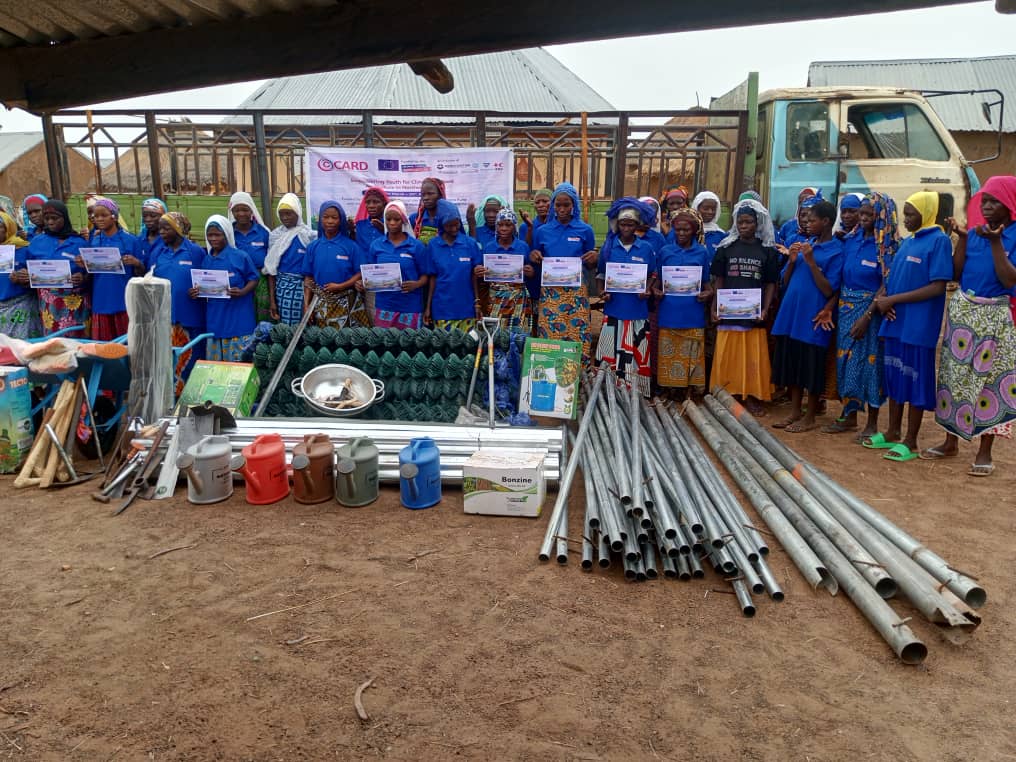
The Cooperative Agency for Research and Development (CARD) is pleased to invite applications from passionate and committed young people to participate in the project:

“Empowering Youth for Climate-Resilient Agriculture in Northern Ghana.”

This project is proudly supported by the Global Youth Mobilization (GYM) through the Youth Empowerment Fund (YEF), a global initiative powered by the European Union (EU) and leading international youth organizations.

This initiative aims to equip youth and women with practical skills in climate-smart agriculture, enhance food security, and create sustainable livelihood opportunities in the Chereponi District.

🎯 Who Can Apply?

  • Youth aged 24 – 30 years
  • Residents of Chereponi District
  • Individuals interested in Agriculture & Food Security
  • Willing to fully participate in training and field activities

📌 Available Opportunities

  • Direct Project Beneficiaries (60 slots)
  • Community Development Agents (CDAs / ToTs) – 15 slots

📝 How to Apply

Interested applicants are required to:

👉 Pick up a registration form at the CARD Head Office in Chereponi
OR
👉 Request/submit your application via email: info@cardgh.org

📅 Application Deadline

🗓️ 28th February 2026

📞 Need More Information?

For inquiries or assistance, please contact:
📱 0372098766

💡 Women and individuals from vulnerable and climate-affected communities are strongly encouraged to apply.

Together, with the support of our partners, we are building a climate-resilient future and transforming agriculture in our communities! 🌍🌾

#YouthEmpowerment #ClimateSmartAgriculture #CARDGhana #GlobalYouthMobilization #EU #SustainableDevelopment

Facebook Page Link: https://web.facebook.com/share/p/1DnvbGYLDz

Empowering Schools: CARD Launches the READ Anti-Bullying & Child Protection Program

The Cooperative Agency for Research and Development (CARD) is proud to introduce the Rural Education and Academic Development (READ) Program, a comprehensive initiative designed to promote safe, inclusive, and supportive learning environments across schools in Ghana.

About the CARD-READ Program

The Anti-Bullying & Child Protection Module under READ equips students, teachers, parents, and community stakeholders with the knowledge and skills to prevent, identify, and respond to bullying, cyberbullying, and other forms of violence affecting children. This program addresses all forms of school-based bullying—physical, verbal, social, and online—while also raising awareness of related risks such as harmful practices and gender-based violence.

Who Can Participate

The program is designed for everyone involved in a child’s education journey, including:

  • READ Coordinators – facilitate training across schools and districts
  • Teachers & School Staff – monitor, prevent, and respond to bullying
  • School Administrators – implement policies and oversee referral systems
  • Parents & Guardians – support children and collaborate with schools
  • Students – learn about safe behaviors, responsible digital use, and reporting mechanisms

Training Structure

The CARD-READ training is interactive and practical, offering:

  • Full Module: 2 days (6–7 hours/day)
  • Condensed Version: 1 day (4–5 hours)
  • Methods: Role-plays, case studies, group discussions, digital simulations, and hands-on exercises

By the end of the training, participants will be able to:

  1. Identify and understand all forms of bullying and associated risks
  2. Implement effective prevention strategies in schools
  3. Respond to incidents safely and refer victims to appropriate support
  4. Engage parents and communities to reinforce child protection
  5. Monitor, evaluate, and sustain anti-bullying initiatives

Learning Objectives in Action

The program’s sessions are carefully designed to produce measurable results:

  • Introduction to Bullying & School Violence: Understand types of bullying and their effects
  • Roles & Responsibilities: Clarify how students, teachers, parents, and school authorities contribute to prevention and response
  • Prevention Strategies & Safe School Environments: Develop peer mentorship programs, awareness campaigns, and safe reporting mechanisms
  • Digital Safety & Cyberbullying: Promote responsible online behavior and safe digital reporting
  • Response & Referral Systems: Document and refer incidents appropriately
  • Engaging Parents & Community: Mobilize families and local stakeholders in child protection efforts
  • Monitoring, Evaluation & Sustainability: Track progress and continuously improve school anti-bullying practices

Tools and Resources

To ensure practical implementation, CARD provides:

  • Participant Workbooks with exercises, case studies, and action planning templates
  • Facilitator Guides with step-by-step instructions for trainers
  • Posters, Charts & Flashcards for classroom awareness
  • Digital Tools & Templates for anonymous reporting, tracking, and monitoring
  • Optional Materials like scenario cards, sample campaigns, and instructional videos

Measuring Impact

CARD-READ includes pre- and post-training assessments, practical demonstrations, and feedback surveys to ensure participants gain confidence and practical skills. Successful participants receive a CARD-READ Certificate, demonstrating their ability to create safe and inclusive school environments.

Sustaining Change

The READ Program emphasizes continuous improvement through:

  • Regular school monitoring and review meetings
  • Refresher sessions for teachers and student leaders
  • Peer learning and mentorship across schools
  • Feedback mechanisms for students, parents, and teachers
  • Ongoing updates to school policies and campaigns

Join Us in Building Safe Schools

With the CARD-READ Anti-Bullying & Child Protection Program, schools can become spaces where every child feels safe, respected, and supported. By empowering students, educators, and communities, CARD is driving a culture of safety, inclusion, and positive learning for the next generation.

For more information or to participate in the CARD-READ Program, visit our website or follow our social media channels for updates and resources.

STUDY THE ABOVE ARTICLE ON BULLYING IN SCHOOL AND ANSWER THE QUESTIONS BELLOW, WHEN QUALIFIED.

NB: Individuals without smart phones can use their parents or Teachers own for participation.

Quiz Requirements & Rules (you must like and follow our page before you can participate)

  1. Eligibility:
    Open to all JHS and SHS students from any school in Ghana
  2. Submit Answers:
    Send your full answers via WhatsApp to:
    📲 0241370926
  3. Answer Release:
    Check the correct answers from 27th March 2026 on:
    🌐 www.cardgh.org (News Page)
    📘 https://www.facebook.com/roccad2014
  4. Winner Confirmation:
    Mark your answers and confirm if you scored 100%
    Contact us via:
    ☎️ 033372098766 (Office hours only)
    📲 WhatsApp: 0241370925
  5. Required Details:
    When submitting, include:
    1. Your Full Name
    1. School Name
    1. District & Region
  6. Answer Format:
    Submit clearly like this:
    Q1 = A, Q2 = B, Q3 = C…
  7. Like & follow our page for more and upcoming articles and competitions for participations and awards.

🎉 Good Luck & Win GHS 50!

NOW GET READY:

CARD-READ PROGRAM QUIZ: ANTI-BULLYING & CHILD PROTECTION

1. What is bullying?
A. A one-time argument between students
B. Repeated intentional harm among students
C. Friendly teasing
D. Studying with friends

2. Cyberbullying occurs when:
A. A student shares homework online
B. Students play online games
C. Digital platforms are used to harass or humiliate peers
D. Students post class schedules online

3. Gender-Based Violence (GBV) refers to:
A. Violence in sports
B. Violence rooted in gender inequality
C. Fighting between classmates
D. Cyberbullying only

4. Which of these is an example of a harmful practice?
A. Peer tutoring
B. Child marriage
C. Class discussions
D. Group study

5. What does TFSV stand for?
A. Technology-Facilitated Sexual Violence
B. Teacher-Focused Student Violence
C. Technology-Free School Visits
D. Teen Friend Support Volunteer

6. Who is responsible for preventing bullying in schools?
A. Only teachers
B. Only parents
C. Everyone: students, teachers, parents, and school authorities
D. Only school heads

7. Peer mentorship programs are designed to:
A. Punish students who bully
B. Support younger students and prevent bullying
C. Replace teachers
D. Organize exams

8. A safe reporting mechanism is:
A. A place where students can report bullying confidentially
B. A notice board for exam results
C. A school library
D. A playground

9. What should a student do if they witness bullying?
A. Ignore it
B. Participate
C. Report it safely to a teacher or counselor
D. Post it online

10. Which of the following is NOT a form of bullying?
A. Physical
B. Verbal
C. Social
D. Studying together

11. Role-play exercises in training help participants:
A. Memorize definitions
B. Practice real-life bullying situations safely
C. Take exams
D. Draw school maps

12. Reflection journals are used to:
A. Record students’ grades
B. Write personal thoughts and learning points
C. Punish students
D. Keep attendance

13. What is an example of cyberbullying?
A. Playing online games together
B. Sending threatening messages via WhatsApp
C. Submitting homework online
D. Watching educational videos

14. Who should teachers report bullying incidents to?
A. Friends
B. Parents only
C. School administrators or counselors
D. Social media

15. What is the main goal of awareness campaigns in schools?
A. Promote bullying
B. Educate students about bullying and safety
C. Increase exams
D. Organize sports

16. Which of these is a safe digital practice?
A. Sharing passwords with friends
B. Posting private photos of classmates
C. Protecting personal information online
D. Replying to threatening messages aggressively

17. A referral pathway is:
A. A method for students to skip classes
B. The process to escalate incidents to counselors or authorities
C. The school bus route
D. A library rule

18. Which is an example of a positive discipline approach?
A. Physical punishment
B. Non-violent and inclusive methods
C. Public shaming
D. Ignoring students’ mistakes

19. Monitoring dashboards in schools help to:
A. Track bullying incidents and follow-ups
B. Monitor exam scores only
C. Track lunch menus
D. Monitor sports results

20. Parents can support child protection by:
A. Ignoring school reports
B. Collaborating with schools and attending workshops
C. Punishing teachers
D. Preventing children from making friends

21. Which of the following is an example of school-based prevention?
A. Creating peer-support clubs
B. Ignoring conflicts
C. Online gossiping
D. Avoiding school assemblies

22. A practical exercise in training could be:
A. Mapping referral networks
B. Watching a movie
C. Taking a nap
D. Playing sports only

23. What is the purpose of post-training assessments?
A. Test memory only
B. Measure knowledge gained and practical skills
C. Punish students
D. Replace class tests

24. Which activity helps students learn about digital safety?
A. Posting classmates’ photos without consent
B. Simulating cyberbullying incidents safely
C. Ignoring online threats
D. Avoiding technology

25. How can schools sustain anti-bullying programs?
A. One-time training only
B. Regular monitoring, refresher sessions, and peer learning
C. Punishing students frequently
D. Ignoring incidents

26. What should a student do after reporting a bullying incident?
A. Tell everyone publicly
B. Follow up if needed and trust school authorities
C. Retaliate against the bully
D. Quit school

27. Community involvement in child protection includes:
A. Organizing awareness workshops
B. Reporting incidents collaboratively with schools
C. Supporting school policies
D. All of the above

28. Role of a facilitator guide is to:
A. Teach math
B. Guide trainers to deliver sessions effectively
C. Monitor sports activities
D. Replace teachers

29. Flashcards and posters in schools help to:
A. Decorate classrooms
B. Reinforce awareness of bullying and reporting mechanisms
C. Replace textbooks
D. Show exam results

30. Peer mentorship supports:
A. Bullying
B. Safe, positive behavior among students
C. Only teachers
D. School management only

31. Which of these is an interactive method in training?
A. Lectures only
B. Group discussion and simulations
C. Sleeping during class
D. Memorizing rules silently

32. Which of the following is an outcome of the CARD-READ training?
A. Students feel unsafe
B. Teachers and students are confident to prevent and report bullying
C. Schools ignore incidents
D. Communities are uninvolved

33. What should be included in a bullying incident report?
A. Type of incident, affected students, witnesses, immediate response
B. Only the name of the bully
C. School timetable
D. Teacher’s personal opinion

34. The READ Program helps schools:
A. Increase sports competitions
B. Become safe, child-friendly, and inclusive
C. Reduce class hours
D. Focus only on exams

35. What is the benefit of simulations in training?
A. Test decision-making in safe, realistic scenarios
B. Replace exams
C. Reduce learning time
D. Encourage bullying

CARD Launches New Advocacy Action to Confront Online Sexual Abuse in Northern Ghana

The Cooperative Agency for Research and Development (CARD) is pleased to announce the launch of a new advocacy action aimed at addressing Technology-Facilitated Sexual Violence (TFSV) affecting women and girls in rural communities in northern Ghana.

This action is supported by the Get Up Rise Up: Direct Action Fund, implemented by Beautiful Trouble, which backs grassroots, nonviolent, and creative actions advancing justice, dignity, and accountability.

Through this initiative, CARD seeks to:

  • Raise public awareness about online sexual abuse and digital harassment
  • Amplify survivor voices without exposing identities or causing harm
  • Demand survivor-friendly reporting systems and rapid response from local authorities
  • Strengthen community accountability and protection for women and girls

The action forms part of CARD’s ongoing Safe Screens, Safe Lives campaign, which works to ensure that rural women and girls can live free from violence—both offline and online.

CARD remains committed to ethical advocacy, survivor safety, and nonviolent action. No identifying information of survivors will be shared at any stage of this initiative.

My Dreams Club (MDC) Mentorship Outreach at EP JHS, Chereponi District

My Dreams Club (MDC) Mentorship Outreach at EP JHS, Chereponi District

On December 17, 2024, My Dreams Club (MDC), under the Cooperative Agency for Research and Development (CARD), successfully conducted a mentorship and outreach advocacy program at EP Junior High School in the Chereponi District. The initiative formed part of MDC’s Mentorship Program, aimed at empowering young students with knowledge, confidence, and life skills to shape their academic and personal futures.

The outreach focused on three core themes: promoting academic dedication, raising awareness on child protection and early betrothal, and strengthening understanding of the rights and responsibilities of children—especially girls.

Through interactive sessions, students were encouraged to value education as a pathway to personal growth and societal development. Facilitators guided learners on goal setting, effective study habits, and time management. Another session addressed the dangers of early and forced marriage, highlighting Ghana’s child protection laws, how to recognize early betrothal, and practical steps for reporting cases through trusted school authorities and child protection organizations such as MDC and CARD.

The program also empowered students to understand their fundamental rights, including the right to education, protection, health, and participation, while emphasizing responsibilities such as self-respect, commitment to learning, positive community engagement, and standing against harmful practices.

The sessions were highly participatory, allowing students to ask questions and share their views. Plans are underway to distribute child rights and protection brochures to students, parents, and the wider community with CARD’s support.

Key outcomes of the outreach included increased awareness of child rights, enhanced confidence among students to report abuse and harmful practices, and strong commitments from teachers and local leaders to support safe and empowering learning environments.

Looking ahead, MDC plans to expand the Mentorship Program to more schools, introduce structured workshops on child rights and leadership, and deepen collaboration with local authorities to strengthen advocacy against child marriage.

This outreach reflects MDC and CARD’s continued commitment to nurturing confident, educated, and rights-conscious children and young people in the Chereponi District and beyond.

Video: https://web.facebook.com/share/v/1GKKdLxSLW/

Skill4Life